How to Leverage Social Media for Offline Event Promotion
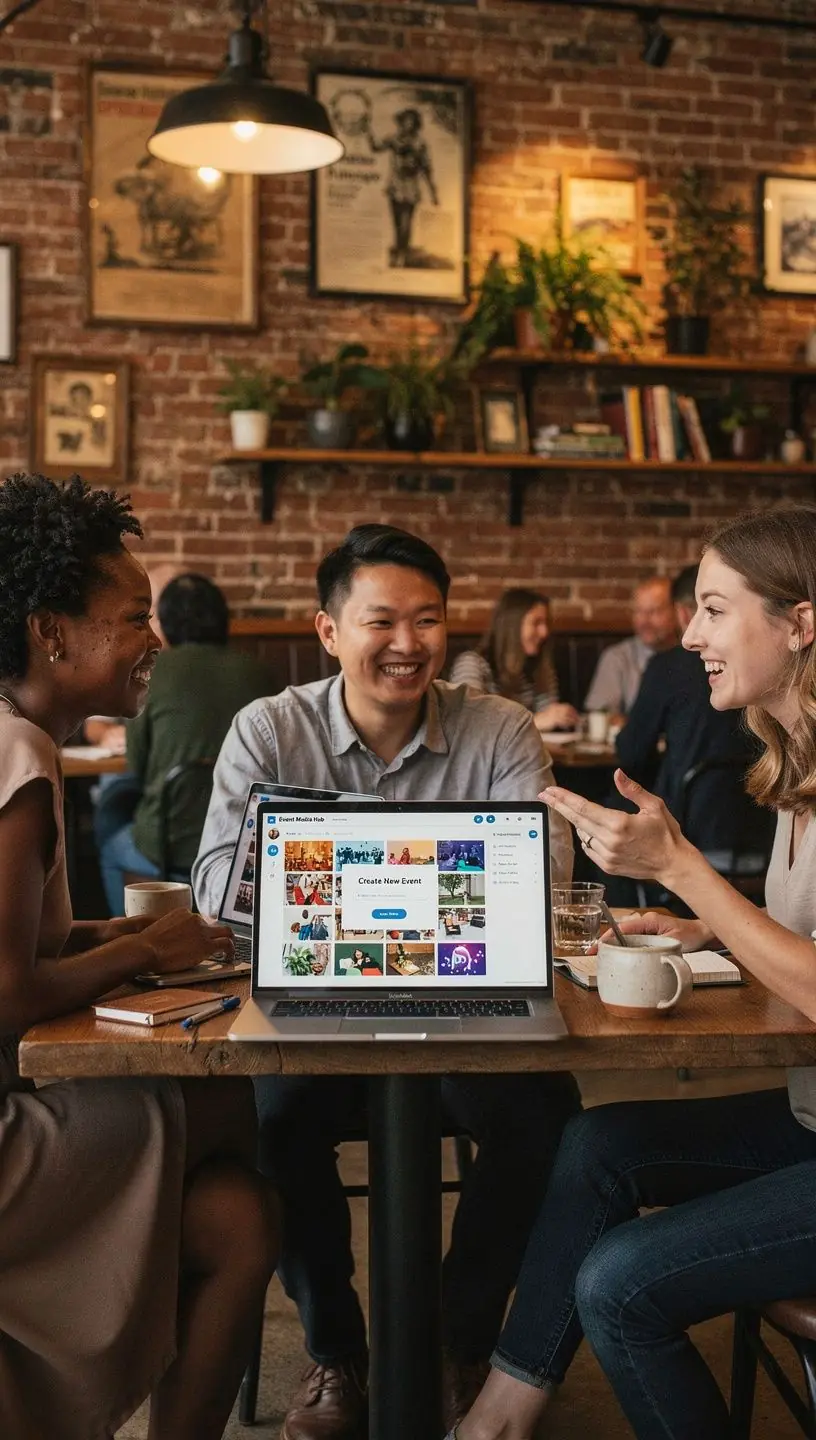
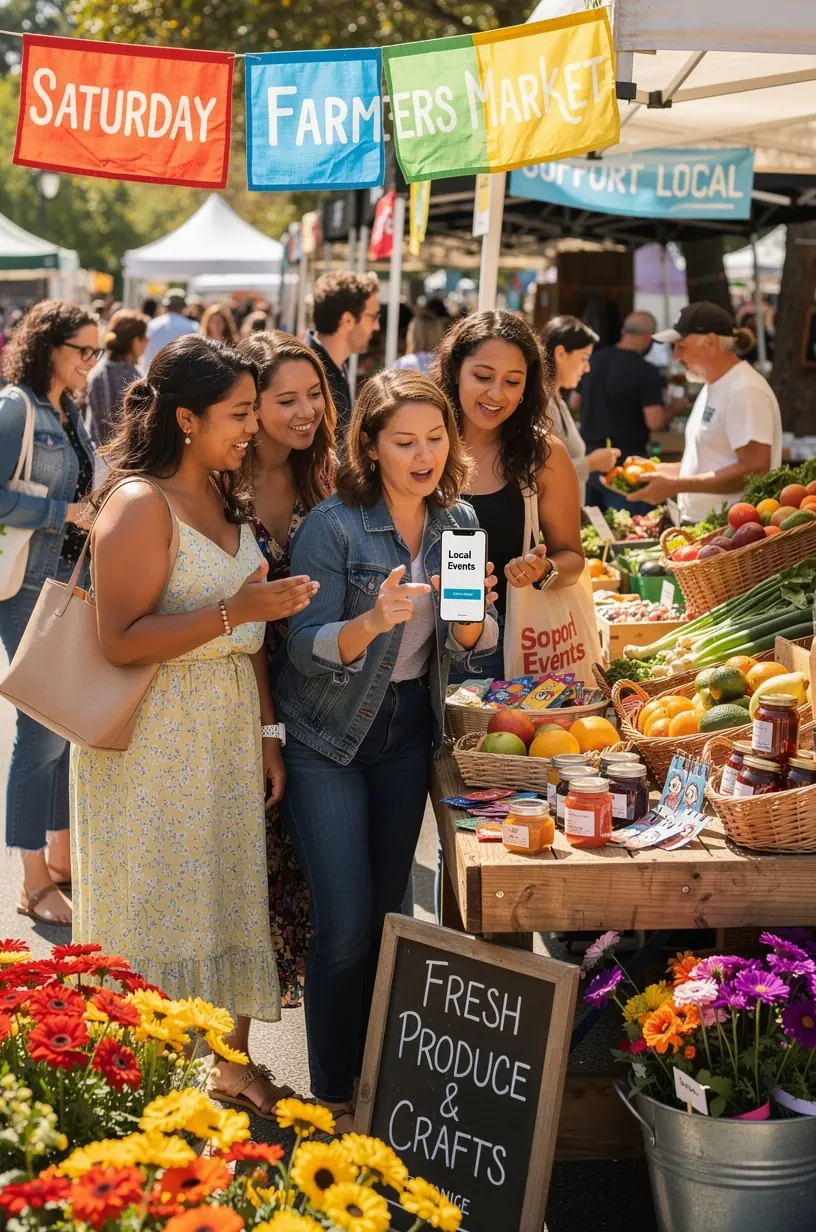
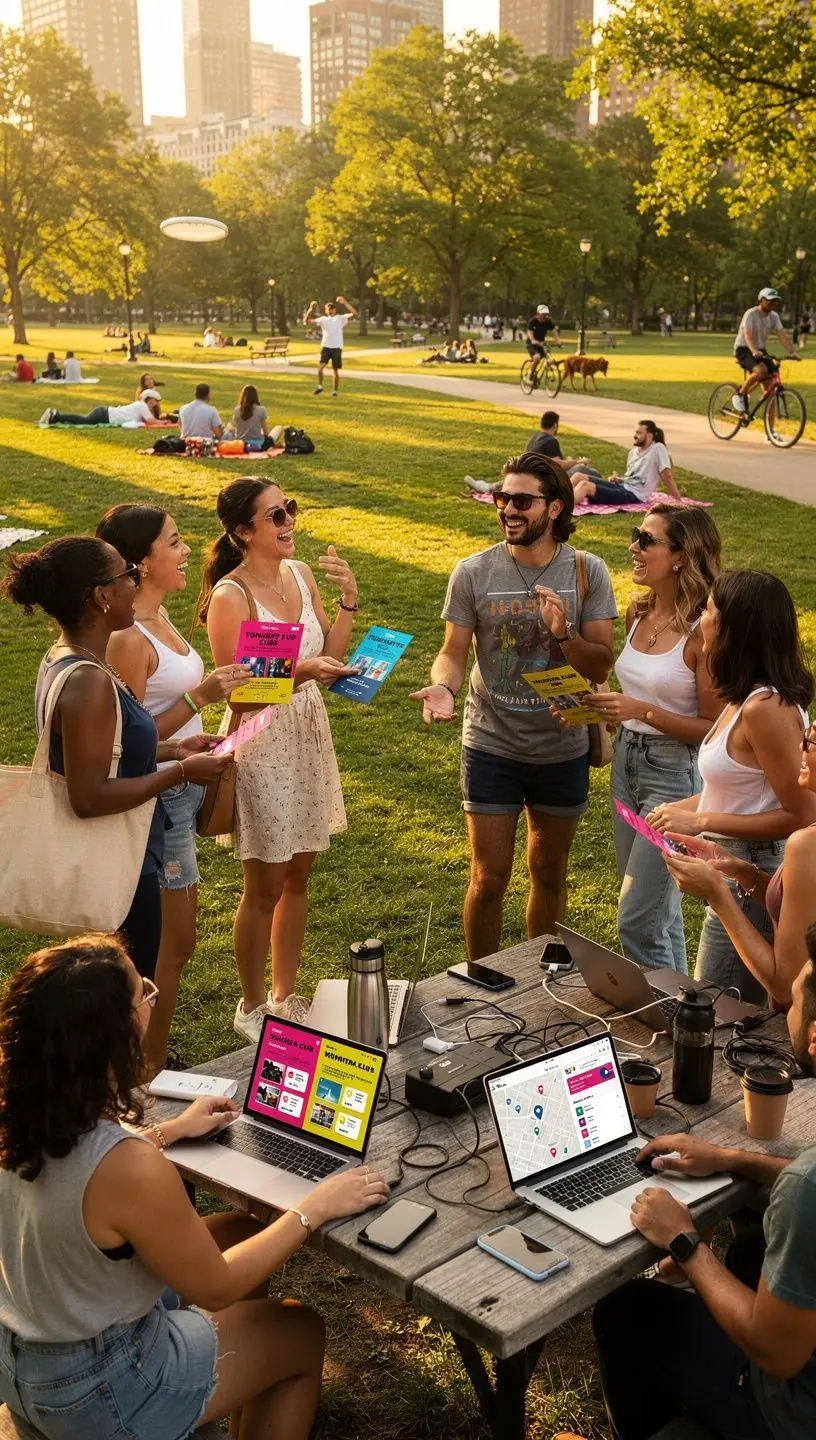
In today's digital age, social media has become a powerful tool for promoting offline events. While many organizations often focus on online interactions, integrating social media strategy with offline event marketing can substantially enhance attendance and engagement.
Understanding the Basics
Social media platforms like Facebook, Instagram, and Twitter provide an accessible means of reaching potential attendees. According to research by the Pew Research Center, approximately 69% of U.S. adults use at least one social media site, making it a vital channel for engagement.
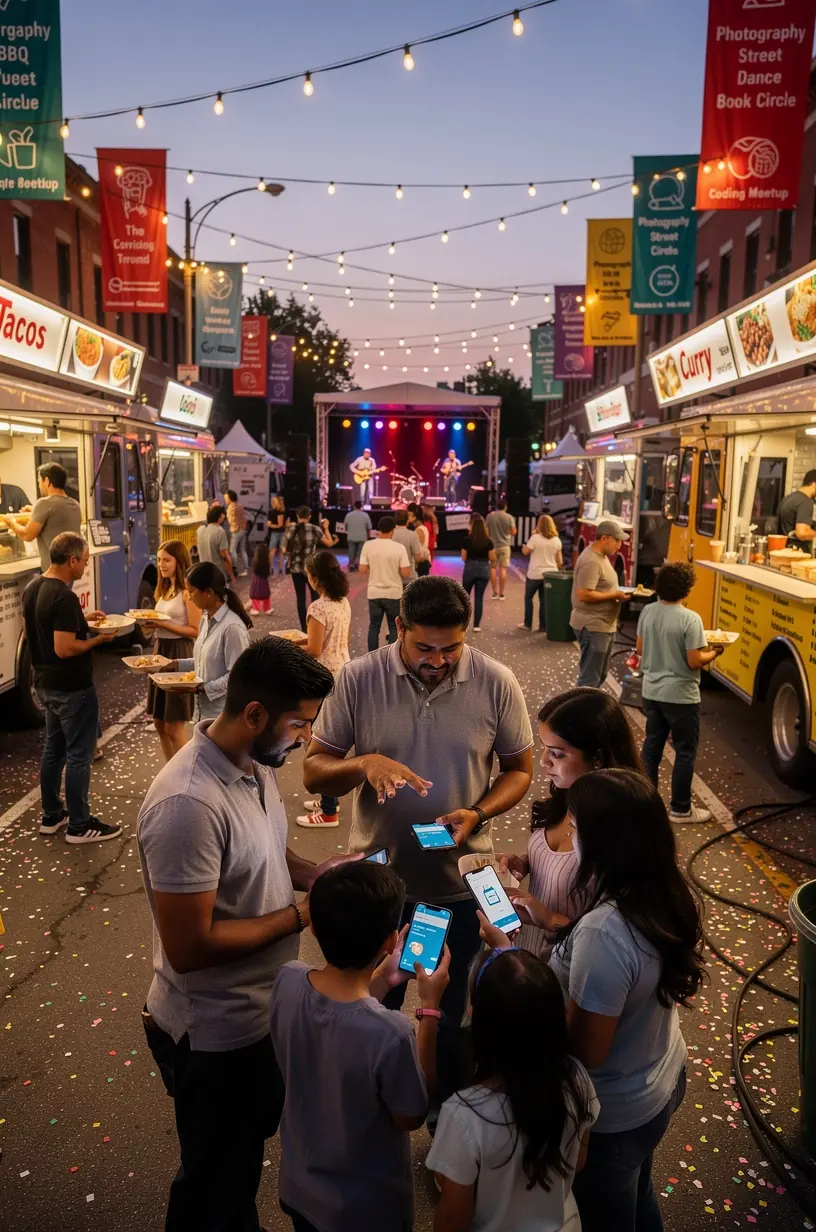
This works because social media allows for targeted advertising, real-time communication, and community building. By effectively utilizing these platforms, event organizers can create buzz, share important updates, and foster a sense of belonging among attendees.
"Engagement on social media can translate to real-world interactions, as research indicates that 76% of event attendees follow the event on social media." - Event Marketing Institute
Practical Application
To successfully leverage social media for offline event promotion, consider the following steps:
- Define Your Audience: Before promoting your event, identify who your target audience is. This typically involves understanding their interests, preferred platforms, and online behavior. Research shows that targeted messaging can improve engagement significantly.
- Create Engaging Content: Utilize engaging visuals and storytelling. Experts recommend using videos and photos that showcase past events or sneak peeks of what attendees can expect. This helps build excitement and relatability.
- Utilize Event Pages and Hashtags: Create a dedicated event page on platforms like Facebook. This provides a space for potential attendees to gather information, ask questions, and share with friends. Incorporate a unique hashtag to encourage sharing and track conversations.
- Encourage User-Generated Content: Ask attendees to share their own posts about the event. This not only increases reach but also builds community. Many users report feeling more connected when they see content from their peers.
- Engage in Real-Time: Use live updates and stories on platforms like Instagram and Facebook during the event. This can engage those who might not have attended but are interested in future events. In most cases, real-time engagement leads to better retention and interest.
Conclusion
In summary, leveraging social media for offline event promotion can create a more connected and engaged audience. By defining your audience, creating compelling content, and fostering community interaction, you can significantly enhance your event's visibility and attendance. Remember that while the process may require time and effort to build a robust social media presence, the potential benefits—such as increased attendance and heightened community engagement—are well worth it.
As social media continues to evolve, keeping up with the latest trends and best practices will be essential for anyone looking to promote offline events effectively.
Learn More