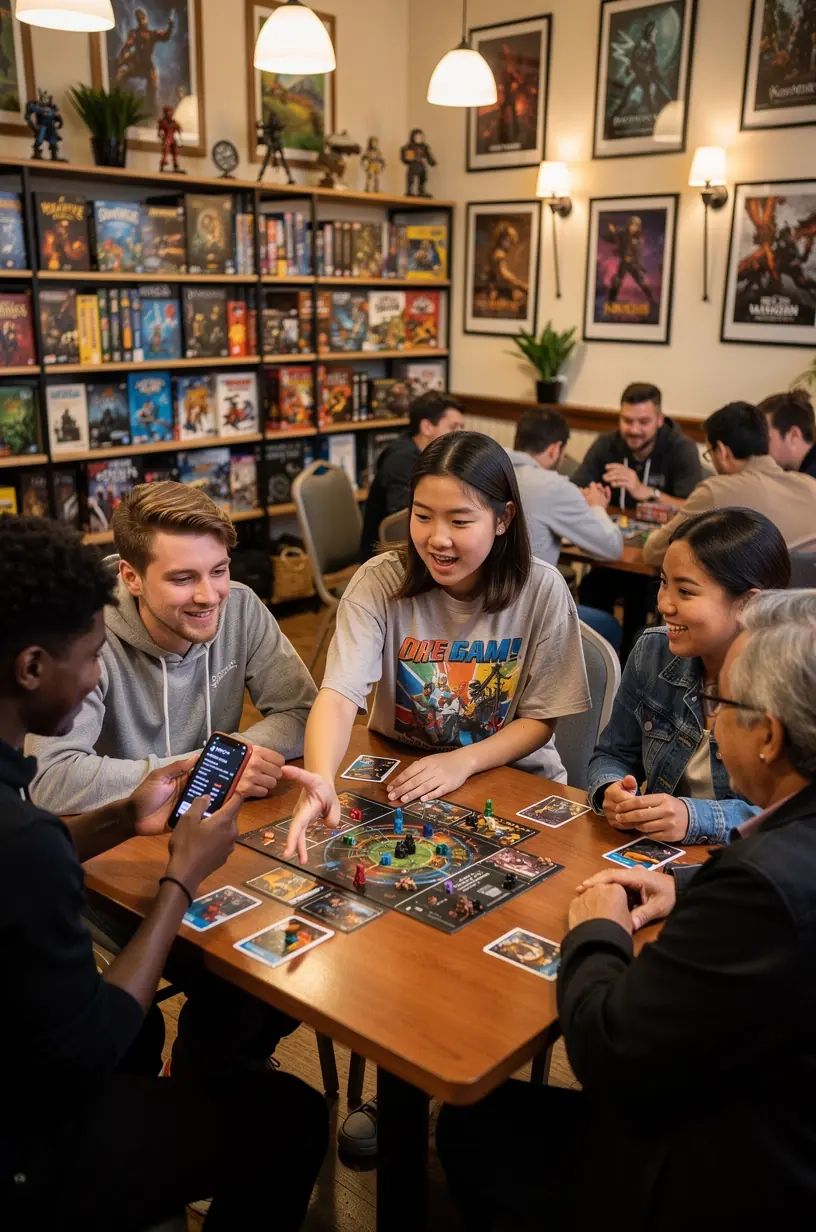
The Impact of Offline Events on Social Interaction
In our increasingly digital world, the significance of offline events on social interaction remains profound. Understanding how these events shape our social landscapes can provide valuable insights into community building and personal connections.
Understanding the Basics
Offline events, such as hobby clubs, workshops, and community gatherings, play a crucial role in fostering social connections. According to research by Harvard Business Review, in-person interactions are typically more effective in building relationships than online communications. This is largely due to the non-verbal cues, such as body language and facial expressions, that are present in face-to-face interactions.

"Social connections contribute significantly to overall well-being and can even enhance longevity." - American Psychological Association
The Science Behind Offline Interaction
Studies show that engaging in offline events can lead to improved emotional intelligence and communication skills. The principle behind this is that in-person interactions often require individuals to navigate complex social cues, which can enhance their ability to relate to others. This works because participating in group activities can lead to shared experiences, creating a stronger bond among participants.
Benefits of Offline Events
- Building Trust: Many users report that meeting face-to-face can accelerate trust-building, essential for any relationship.
- Active Engagement: Offline events often involve more active participation compared to online interactions, leading to a more fulfilling experience.
- Community Sense: Regular attendance at local events can enhance feelings of belonging, which is particularly beneficial in today's transient society.
Acknowledging Limitations and Challenges
While offline events offer numerous benefits, they do come with some limitations. For instance, organizing or attending events typically requires time and commitment. Many users find that balancing these events with their daily responsibilities can be challenging. In addition, participation may not be suitable for everyone; individuals with social anxiety or certain physical limitations may find in-person gatherings overwhelming.
Conclusion
In summary, offline events can significantly enhance social interaction by providing opportunities for authentic connections and personal growth. However, it is essential to recognize the time and effort involved in engaging with these activities. By understanding the impact of offline socialization, individuals can make informed decisions on how to integrate these experiences into their lives effectively. As experts suggest, fostering real-life connections is an impactful strategy for enhancing overall well-being.
Learn More