Practical Steps for Organizing a Community Hobby Fair
Organizing a community hobby fair can be a rewarding endeavor that fosters connection among local residents. By bringing together individuals with shared interests, you can create a vibrant environment that encourages creativity and engagement. However, effective organization requires careful planning and execution. Here are some practical steps to guide you through the process.
Understanding the Basics
Before diving into the logistics, it's essential to understand the purpose of a hobby fair. According to community engagement studies, events like these can significantly enhance social networks and increase participation in local activities. Typically, a well-organized fair brings together various hobbyists, from crafters to collectors, and provides a platform for them to showcase their passions.
"Community events can strengthen social bonds and promote local culture, according to research from the National Endowment for the Arts."
Step 1: Define Your Objectives
Start by determining what you want to achieve with the hobby fair. This could include:
- Encouraging community participation and collaboration.
- Providing a platform for local artists and hobbyists to showcase their work.
- Generating awareness of local clubs and activities.
Establishing clear objectives will guide your planning and help measure success post-event.
Step 2: Assemble a Planning Team
Organizing an event like this typically requires a team. Many experts recommend forming a diverse group that can contribute various skills, such as:
- Event planning and logistics.
- Marketing and communication.
- Community outreach and engagement.
Engaging volunteers or local organizations can also relieve some workload and enhance community investment in the fair.
Step 3: Choose a Suitable Venue
Selecting a venue is crucial; it should be accessible and large enough to accommodate vendors and attendees. According to local zoning laws, you may need to apply for permits if you're using public spaces. Popular choices often include:
- Community centers.
- Parks.
- Local schools or churches.
Assessing the logistics of each location, such as parking availability and restroom facilities, is also essential.
Step 4: Market the Event
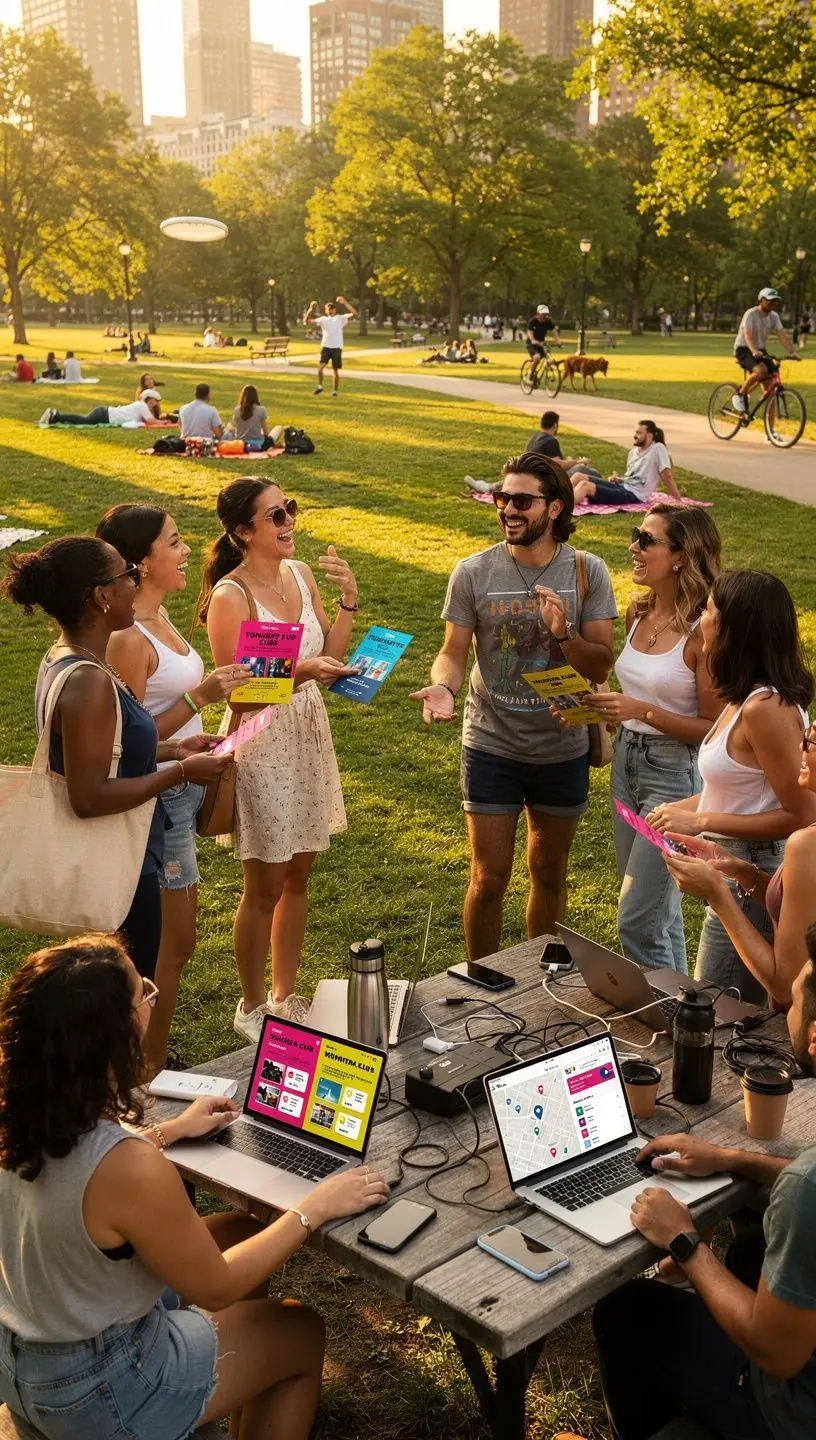
Effective marketing is key to attracting attendees. Utilize a mix of strategies to reach your audience, including:
- Social media campaigns.
- Local community boards and newsletters.
- Collaboration with local businesses.
Experts suggest starting your marketing efforts 4-6 weeks prior to the event to maximize outreach.
Step 5: Plan Engaging Activities
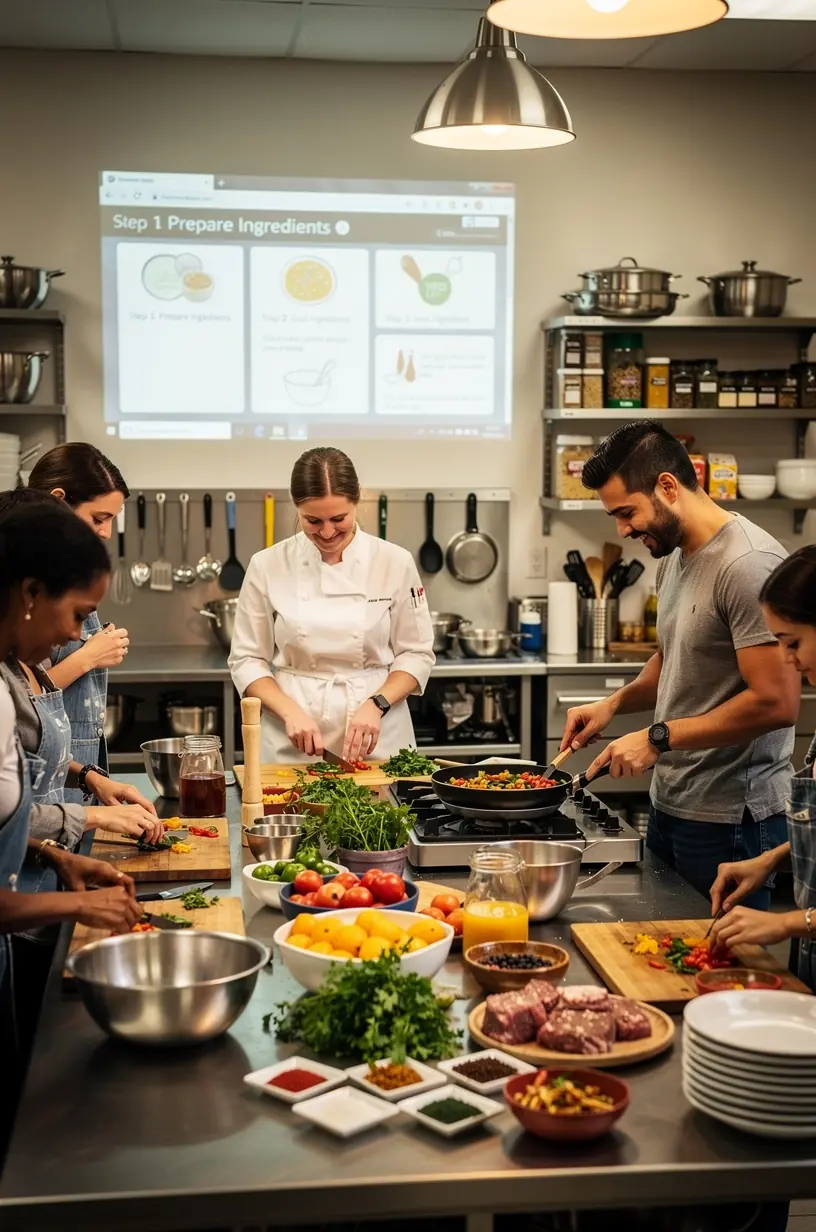
In addition to vendor displays, incorporating interactive workshops, demonstrations, or contests can significantly enhance attendee experience. Research indicates that hands-on activities often keep participants engaged longer and encourage repeat attendance at future events.
Step 6: Evaluate and Reflect
After the fair, gather feedback from attendees and participants to evaluate the event's success. Surveys or informal discussions can provide valuable insights into what worked well and what could be improved for future events. This reflection phase is crucial for continuous improvement and community satisfaction.
Conclusion
Organizing a community hobby fair is a multifaceted process that involves careful planning and execution. By following these practical steps, you can create a successful event that brings your community together and highlights local talent. Remember, the key is to stay flexible and adapt based on community feedback and interest.