Understanding Trends in Offline Hobby Participation
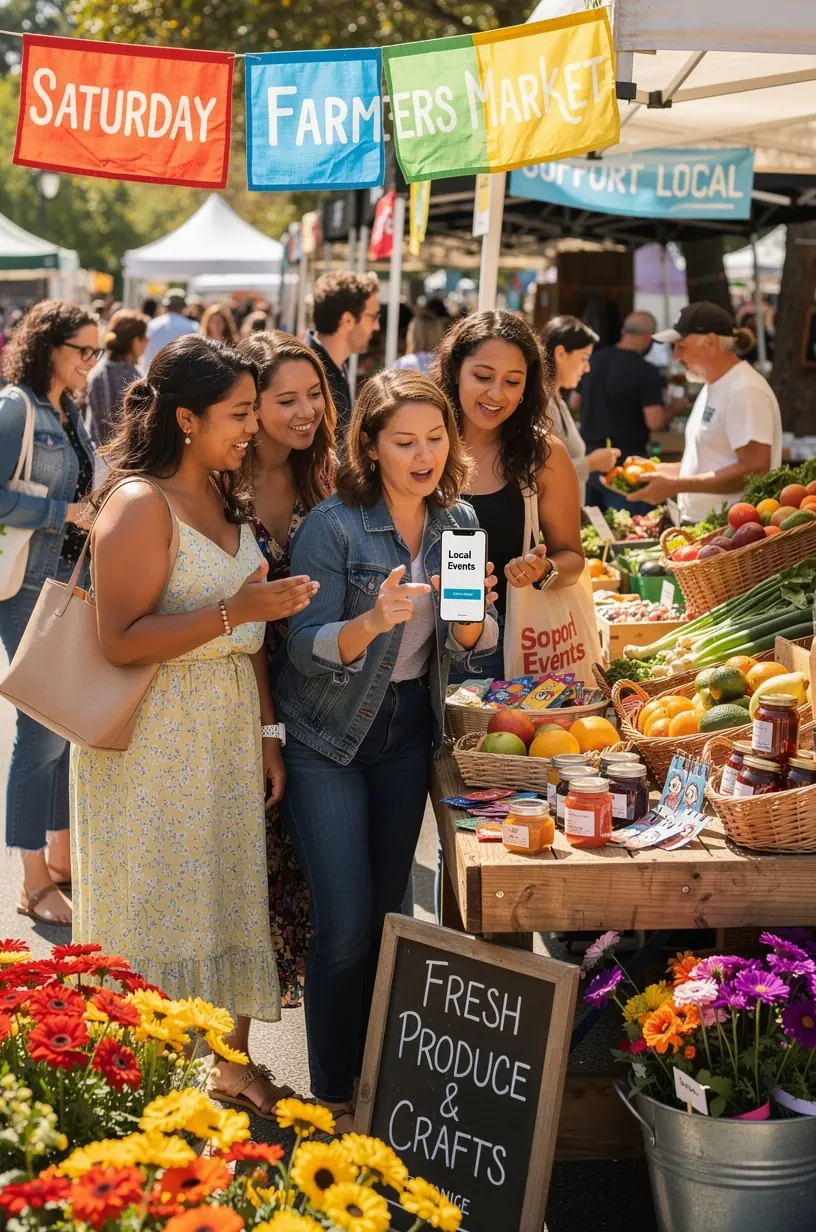
As digital interactions surge, understanding the trends in offline hobby participation becomes increasingly essential. Many enthusiasts find joy and meaning in connecting with others through shared activities. This article explores these trends and provides insights on how offline hobbies can foster community engagement and personal fulfillment.
Understanding the Basics
Offline hobby participation typically varies by demographic, interest, and accessibility. According to the National Endowment for the Arts, approximately 54% of adults in the U.S. engage in some form of creative activity outside of work. This participation plays a crucial role in mental well-being, social connectivity, and personal development.
"Engaging in hobbies has been shown to reduce stress and enhance overall life satisfaction." - American Psychological Association
Current Trends in Offline Hobbies
Recent studies indicate that many users report a growing interest in communal and hands-on activities. Here are some key trends that reflect this shift:
- Increased Interest in Crafting: Many individuals are turning to DIY projects and crafting. According to Craft Industry Alliance, the crafting industry has seen a 25% increase in participants over the last five years.
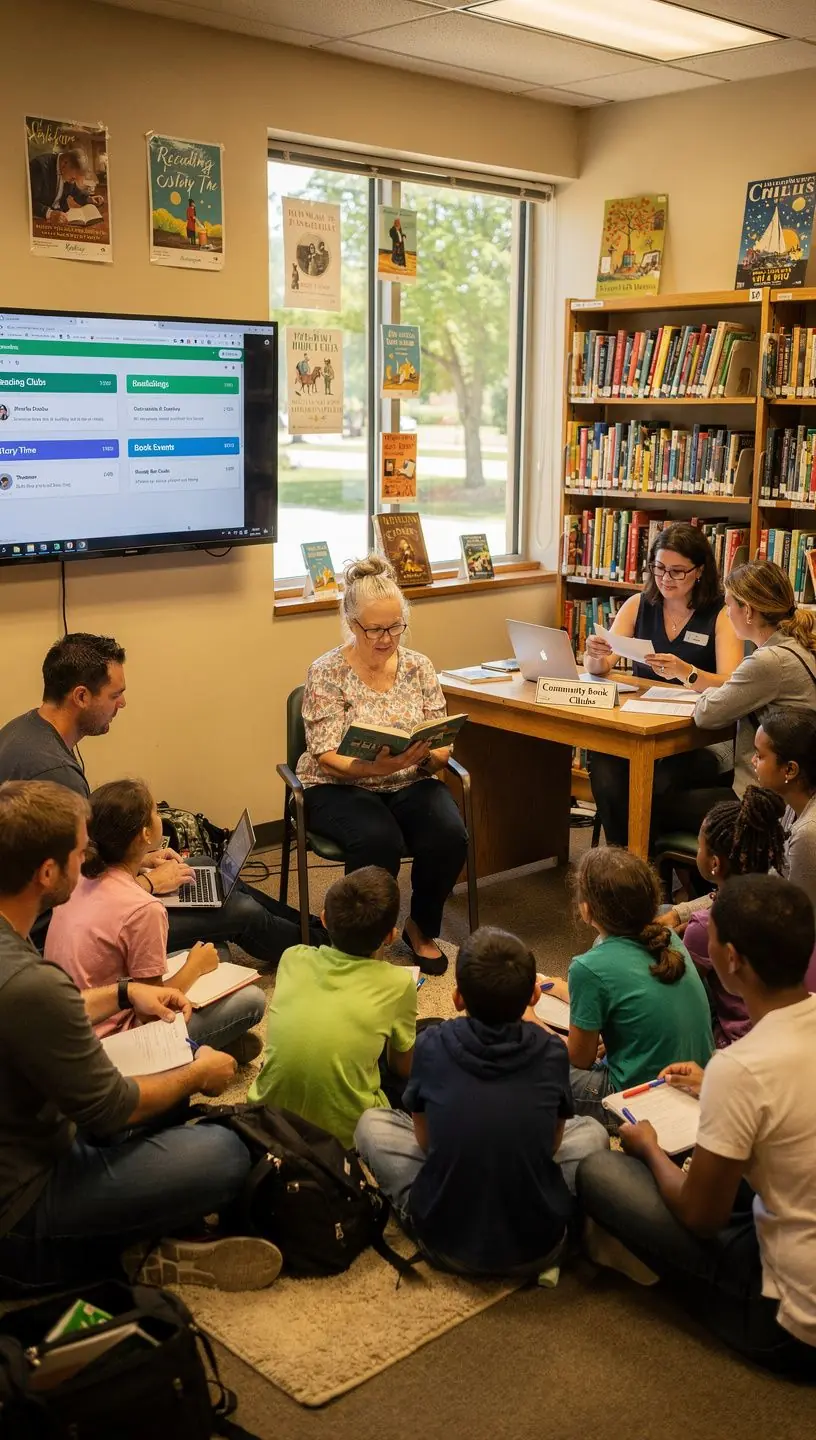
- Social Clubs on the Rise: Hobby clubs, such as book clubs and gardening groups, have become more prevalent, providing participants with a structured way to meet like-minded individuals.
- Focus on Wellness: Activities like yoga, hiking, and community gardening are gaining traction as people seek to enhance their physical well-being while engaging socially.
Practical Application of Trends
Understanding these trends can aid individuals in selecting hobbies that not only fulfill their interests but also align with social engagement. Here are some practical steps:
- Identify Your Interests: Reflect on activities you enjoy. This means exploring options within crafting, sports, or artistic pursuits.
- Join Local Clubs or Classes: Seek out local groups or classes that match your interests. This not only helps in learning but also opens doors for socializing.
- Stay Committed: Many activities may require a commitment of time and effort. It’s often recommended to dedicate a few hours each week to fully immerse yourself in the hobby.
Conclusion
The increasing trends in offline hobby participation reveal a significant cultural shift towards valuing community and personal fulfillment. By engaging in these activities, individuals often experience enhanced well-being and foster meaningful connections. Remember that participating in hobbies can take time to yield results, typically requiring ongoing commitment and effort. As research indicates, the benefits can be substantial, leading to a more enriched life.